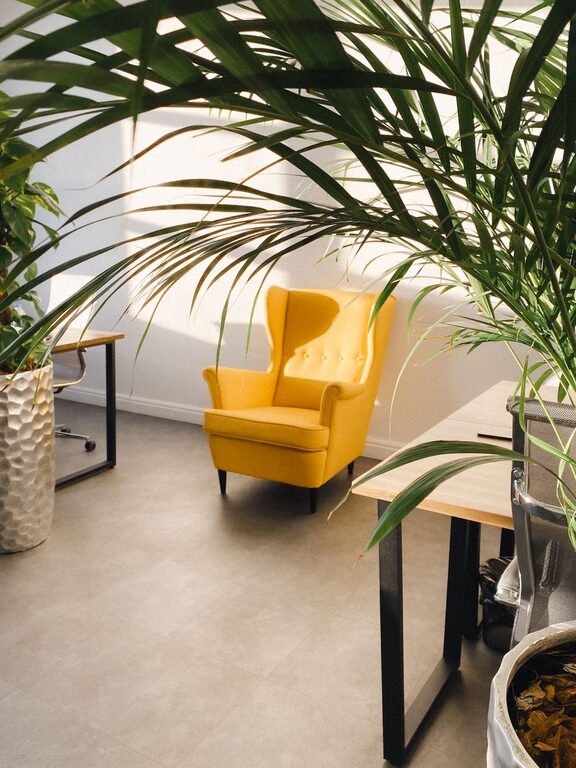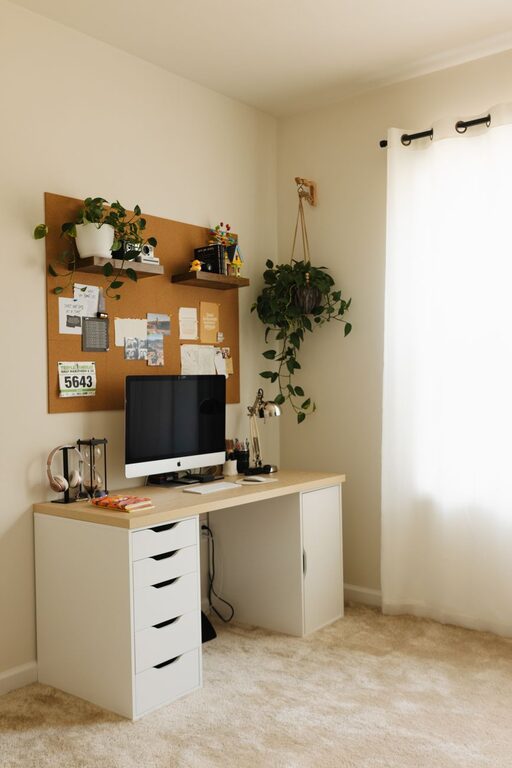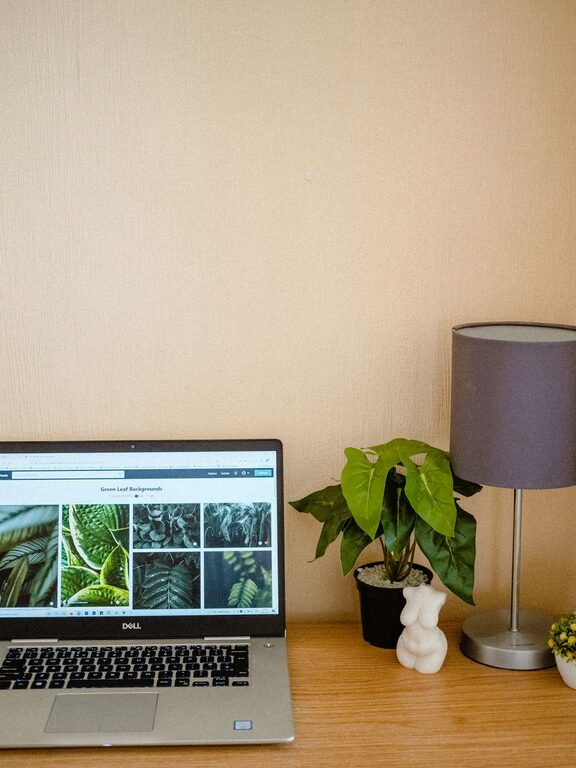
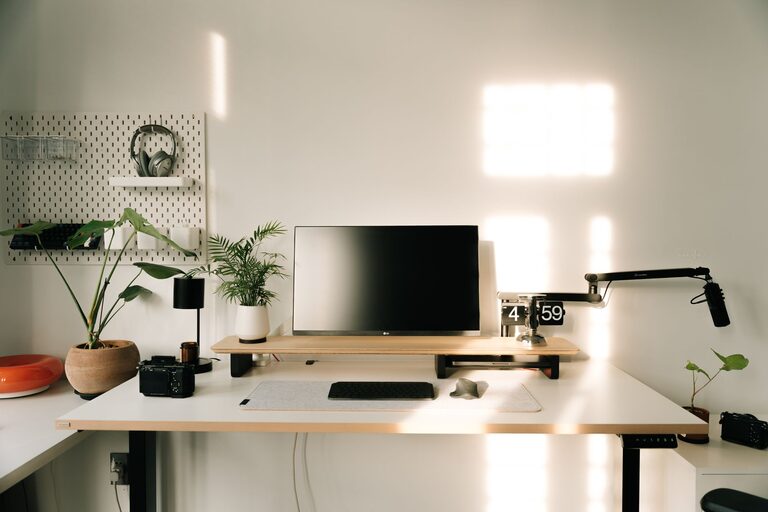
Creating a well-organized home office can significantly improve your productivity and make your workday feel more enjoyable. A cluttered or disorganized workspace not only hinders focus but can also increase stress. Luckily, organizing your home office doesn’t have to be dull or complicated. By incorporating creative solutions, you can design a space that inspires you and keeps you efficient all day long.
In this post, we’ll explore several creative ways to organize your home office to maximize productivity and create a comfortable, functional environment.
—
Why Organizing Your Home Office Matters
Your workspace plays a big role in how effectively you work. An organized office minimizes distractions, helps you find what you need quickly, and supports better time management. Plus, a tidy environment encourages a clear mind and more motivation.
—
1. Use Vertical Space Wisely
When floor and desk space are limited, vertical storage offers a smart solution.
Wall Shelves and Pegboards
Install floating shelves or pegboards to store supplies, books, or decorations. Pegboards are especially versatile—you can hang baskets, hooks, or clipboards for easy access to essentials.
Vertical File Holders
Instead of piling papers on your desk, use wall-mounted or standing vertical file holders. This keeps documents organized without taking up much space.
—
2. Create Zones Within Your Office
Dividing your office into zones can help you stay focused by clearly defining activities.
Work Zone
This is where your desk and computer live. Keep only the items necessary for daily tasks here—laptop, notepad, pen holder, and a lamp.
Reference Zone
Set up a small bookshelf or cabinet nearby for manuals, binders, and books you consult regularly.
Creativity Zone
If your work requires brainstorming or sketching, dedicate an area with a whiteboard or corkboard where you can write and pin ideas.
—
3. Invest in Multi-Functional Furniture
Choosing furniture with multiple uses saves space and reduces clutter.
Desks with Built-in Storage
Select desks that have built-in drawers or shelves. This allows you to tuck away office supplies and keep your desktop clear.
Convertible Standing Desk
A desk that adjusts from sitting to standing lets you switch postures throughout the day, boosting comfort and productivity.
—
4. Use Containers and Organizers with Personality
Gone are the days of boring storage boxes. Today’s organizers come in many styles and colors to suit your taste.
– Decorative Bins and Baskets: Store cables, chargers, or stationery in woven baskets or colorful bins to add warmth and personality.
– Drawer Dividers: Keep drawers neat by using dividers to separate pens, paper clips, and other small items.
– Mason Jars and Cups: Repurpose jars to hold pens, paintbrushes, or scissors.
—
5. Incorporate Cable Management Solutions
Messy cables can make even the neatest desks look chaotic.
– Cable Clips and Sleeves: Use clips to secure cords along your desk edges or sleeves to bundle cables together neatly.
– Under-Desk Cable Trays: These trays hide power strips and cables, keeping them off the floor.
– Wireless Devices: Switch to wireless keyboards, mice, and printers to reduce cable clutter.
—
6. Personalize with Plants and Art
Adding personal touches creates a welcoming atmosphere that can inspire creativity.
– Small Desk Plants: Succulents or air plants need little maintenance and brighten up your space.
– Framed Photos or Art Prints: Place meaningful images or motivating quotes nearby to keep your spirits high.
– Color Coordination: Choose organizers and office accessories in colors that make you feel calm or energized.
—
7. Maintain a Daily Routine for Tidying Up
An organized office is easier to keep clean when you regularly spend a few minutes tidying.
– At the end of the day, clear your desk of unnecessary papers.
– Put away supplies and office tools.
– Wipe down surfaces to keep your space fresh.
Setting this routine prevents clutter from building up and prepares you for the next productive day.
—
8. Utilize Digital Tools to Reduce Paper Clutter
Incorporating digital management tools can minimize physical paperwork.
– Scan and save documents electronically.
– Use apps for task management and notes.
– Opt for e-books and PDFs instead of printed materials when possible.
This approach keeps your desk less crowded and important files easier to locate.
—
Final Thoughts
Organizing your home office creatively doesn’t have to be overwhelming. Start with small changes like adding vertical storage or personal touches, and gradually build a workspace that fits your needs and style. Remember, a well-organized office can boost your productivity and make working from home more enjoyable. Experiment with different ideas until you find the perfect setup that keeps you motivated and focused.
Happy organizing!
About the Author