
Creating a cozy and productive home office is essential for anyone working remotely or spending a good amount of time at home. A well-designed workspace can improve focus, reduce stress, and make your workday more enjoyable. Whether you have a dedicated room or just a small corner, there are many ways to transform your space to meet both comfort and efficiency needs. Here are some practical tips to help you create the perfect home office environment.
Choose the Right Location
The first step is selecting the best spot in your home for your office. Ideally, pick a quiet area where you can minimize distractions and focus on tasks. If possible, use a separate room to separate work from personal life.
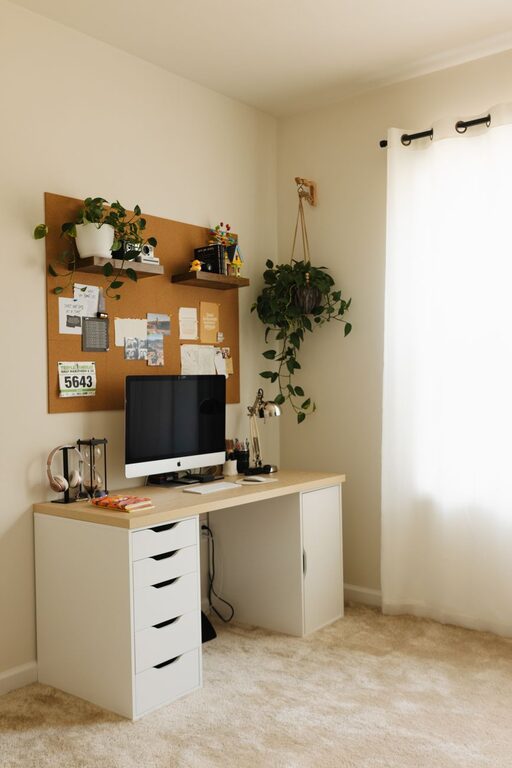
If space is limited, a corner in a living room or bedroom can work well — just try to position your desk near natural light to boost mood and energy.
Invest in a Comfortable Chair and Desk
Your furniture plays a big role in both comfort and productivity. A supportive chair that encourages good posture can prevent back and neck pain. Look for adjustable chairs with lumbar support.
Your desk should be the right height and size to fit your equipment and give you enough space to work comfortably. Standing desks or adjustable desks are excellent options to alternate between sitting and standing during the day.
Optimize Lighting
Good lighting reduces eye strain and improves concentration. Natural light is the best, so position your workspace near a window if possible. If natural light is limited, supplement with soft, warm artificial lighting.
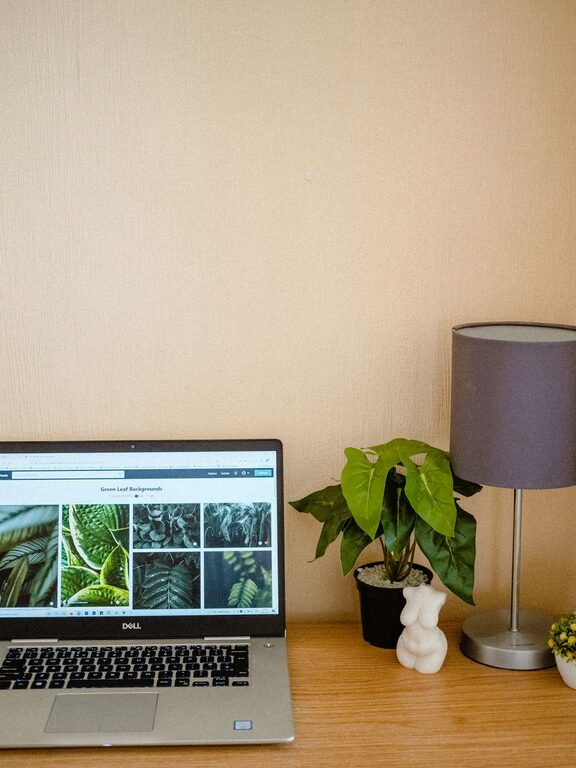
Avoid harsh overhead lights or direct glare on your computer screen. A desk lamp with adjustable brightness can make a noticeable difference.
Personalize Your Space
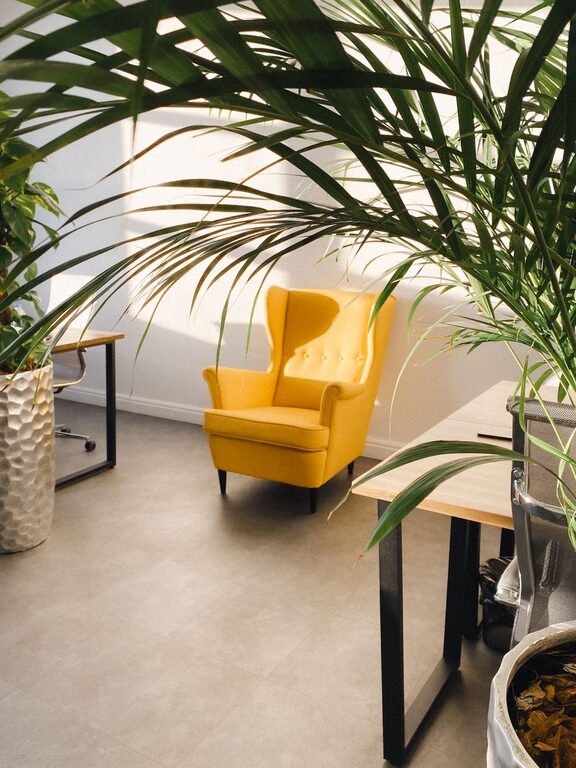
Adding personal touches can make your office feel more inviting and less like a sterile work zone. Consider decorating with plants, photos, artwork, or inspirational quotes.
Plants, in particular, improve air quality and add a calming natural element. Just be careful not to clutter your space; keep decorations minimal but meaningful.
Organize and Declutter
A tidy workspace helps clear your mind and saves time searching for items. Use organizers like trays, file holders, or drawer dividers to keep supplies in order.
Go digital where you can to reduce paper clutter. Regularly clean your desk and store items you don’t use daily out of sight.
Create Zones for Different Tasks
If space allows, arrange your office to include zones for different activities. For example, a primary area for computer work, a reading or brainstorming corner, and a storage area for documents.
Changing your environment slightly by moving between zones can refresh your focus and prevent fatigue.
Manage Cables and Technology
Organizing cables helps keep your workspace neat and reduces distractions. Use cable clips, ties, or a cord management box to keep wires out of the way.
Ensure your technology is reliable and up to date. A fast internet connection, good quality monitor, keyboard, and mouse can enhance comfort and efficiency.
Set Boundaries and Maintain Work-Life Balance
Finally, setting clear boundaries between work and personal time is important for productivity and well-being. Use your office space exclusively for work where possible.
At the end of the day, shut down your computer and tidy your desk to signal the transition from work to relaxation.
—
Designing a home office that is both cozy and productive takes a bit of planning, but the benefits are well worth it. By paying attention to comfort, organization, lighting, and personalization, you can create a space that supports your work and makes every day a little brighter.
About the Author