Creating a home workspace that is both cozy and functional can significantly improve your productivity and overall well-being, especially if you spend a lot of time working from home. A well-designed area encourages focus while making your work hours feel more pleasant and less stressful. Whether you have a dedicated room or just a small corner, these tips will help you set up an inviting and efficient workspace tailored to your needs.
Choose the Right Location
Find a Quiet Spot
Look for a place in your home that offers minimal distractions. This could be a spare room, a section of your living room, or even a corner in your bedroom. The key is to pick an area away from high-traffic zones where noise and interruptions are less likely.
Consider Natural Light
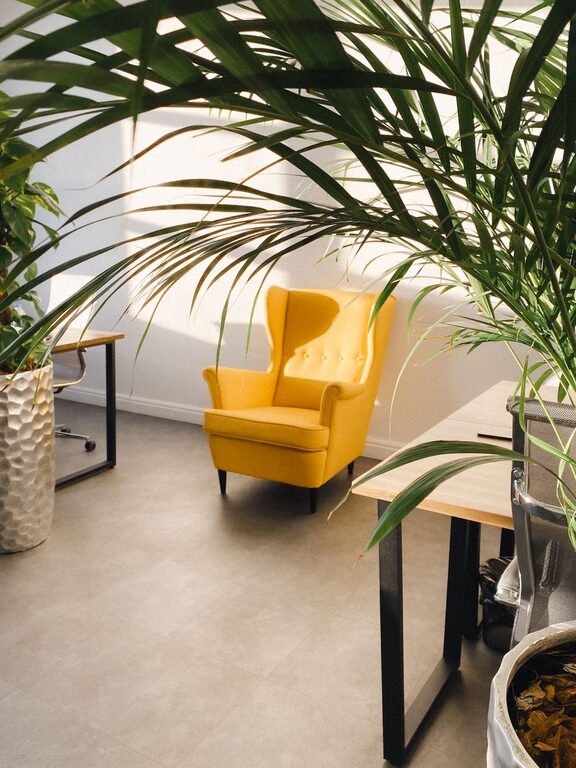
Natural light is not only good for your eyes but also helps keep you alert and motivated throughout the day. Position your desk near a window if possible. Use light, airy curtains to control glare without blocking the light entirely.
Invest in Comfortable and Practical Furniture
Ergonomic Desk and Chair
Your desk and chair are the foundation of your workspace. Choose an ergonomic chair that provides good lower back support and allows you to sit comfortably for hours. A desk with enough surface area for your computer, documents, and other essentials is equally important.
Adjustable Furniture Options
If space allows, consider a height-adjustable desk so you can switch between sitting and standing. This small change can reduce fatigue and improve circulation.
Organize to Maximize Efficiency
Declutter Regularly
A clutter-free workspace promotes a clear mind. Keep only what you use daily on your desk, and store the rest in drawers or shelves. Regularly cleaning your space prevents buildup of unnecessary items.
Use Storage Solutions
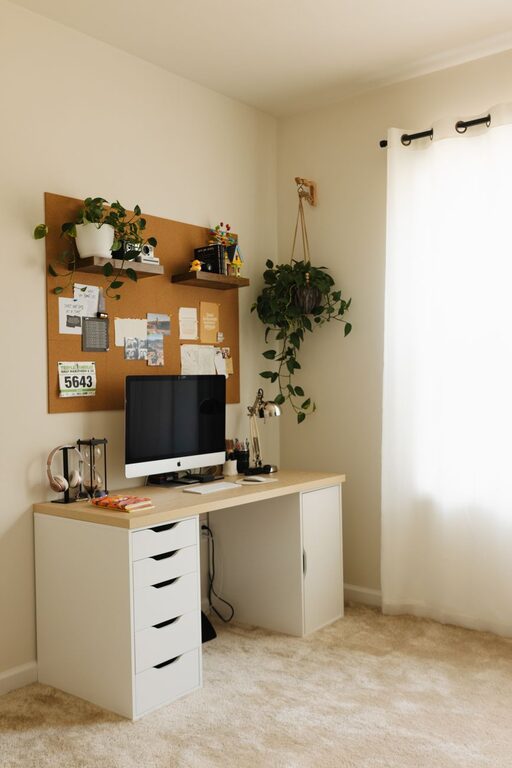
Invest in organizers like drawer dividers, file holders, or floating shelves. Labeling storage containers can also save time and help you find things quickly.
Add Personal Touches for Comfort
Soft Textiles and Rugs
A soft rug or a throw blanket can add warmth and texture to your workspace. These cozy elements make the space inviting and comfortable, encouraging longer, more enjoyable work sessions.
Plants for Freshness and Relaxation
Adding some greenery not only brightens your space but also improves air quality and reduces stress. Choose easy-care plants such as snake plants, pothos, or succulents that thrive indoors.
Optimize Lighting
Layer Your Lighting
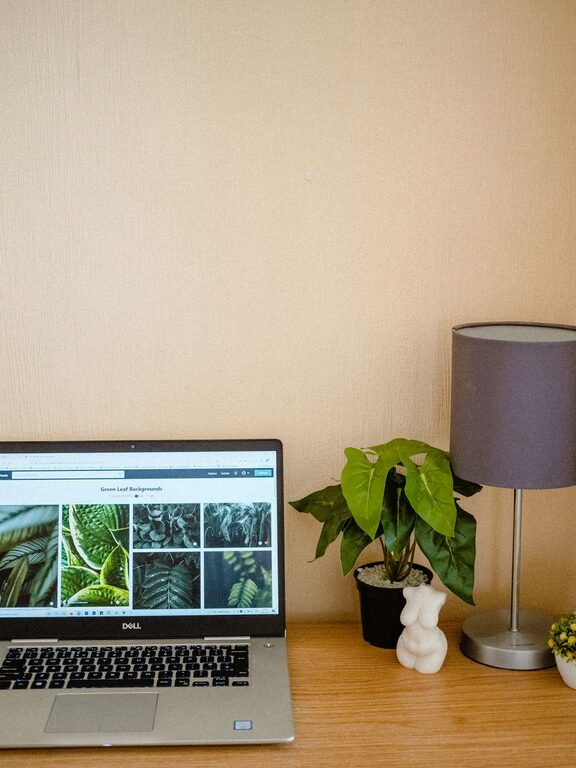
Combine ambient lighting (overhead lights) with task lighting such as desk lamps. Adjustable lamps can help reduce eye strain by providing focused light exactly where you need it.
Use Warm Light Bulbs
Warm, soft lighting creates a relaxed atmosphere. Avoid harsh, bright lights that can cause headaches or feelings of discomfort.
Equip Your Workspace with Essential Tech
Reliable Internet Connection
A stable internet connection is critical for virtual meetings, quick research, and uninterrupted work sessions. Position your workspace close to the router or use a wired connection if possible.
Cable Management
Messy cables can create an untidy look and get in the way of your work. Use cable organizers, clips, or sleeves to keep cords neatly bundled.
Establish Boundaries and Routine
Set Working Hours
One challenge of working from home is the blurred line between work and personal time. Define your working hours and communicate them with family or housemates to minimize interruptions.
Create a “Start Work” Ritual
Having a routine that signals the start of your working day—such as making a cup of coffee, opening your planner, or playing soft background music—can help mentally prepare you for a focused session.
Incorporate Inspiration and Motivation
Display Meaningful Items
Keep photos, artwork, or motivational quotes in your workspace. These personal touches can lift your mood and inspire creativity.
Keep a Whiteboard or Bulletin Board
Use these tools to track your tasks, brainstorm ideas, or jot down reminders. Visual aids help keep your priorities clear and encourage productivity.
Mind Your Air Quality and Temperature
Ventilation Matters
Good air circulation keeps you alert and reduces fatigue. Open a window when possible or use an air purifier to keep your environment fresh.
Manage Room Temperature
Ensure your workspace is neither too hot nor too cold since discomfort affects concentration. A small desk fan or heater can help you maintain a comfortable temperature.
—
Creating a cozy and functional home workspace doesn’t require a large budget or a lot of space. Small changes like choosing a comfy chair, adding personal touches, and organizing your desk can transform your area into a productive and enjoyable zone. With these tips, you’ll be able to work comfortably and efficiently right from home.
About the Author