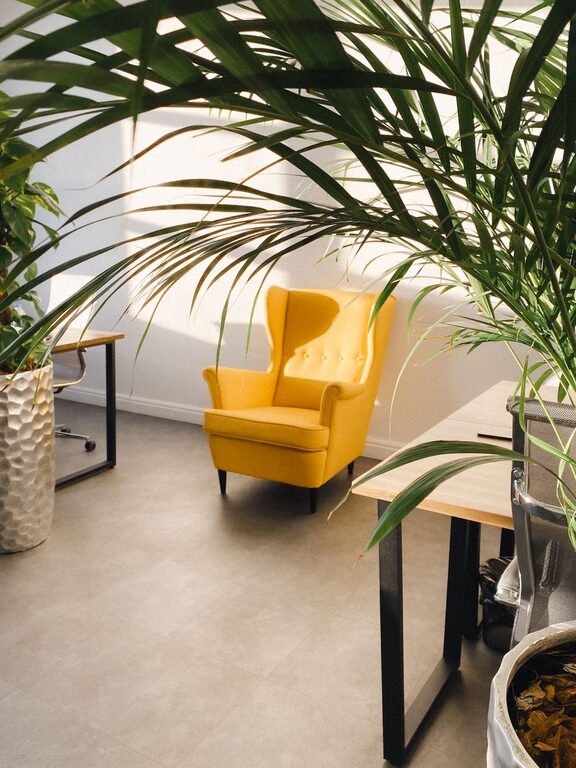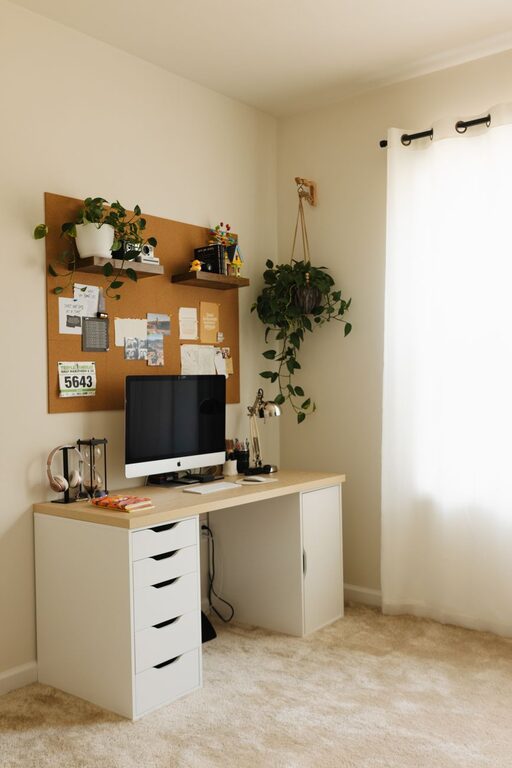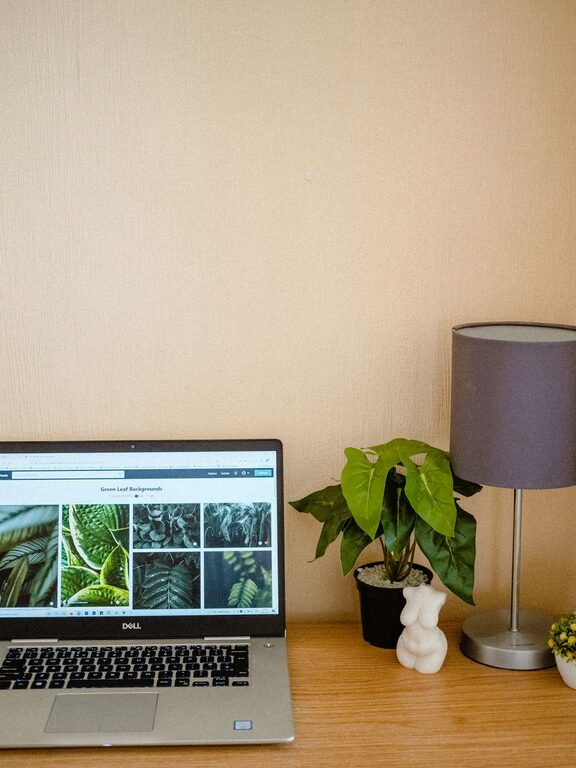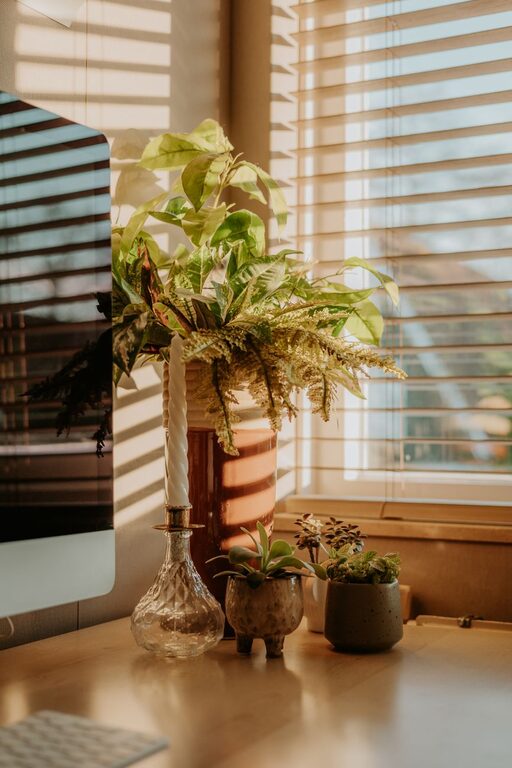
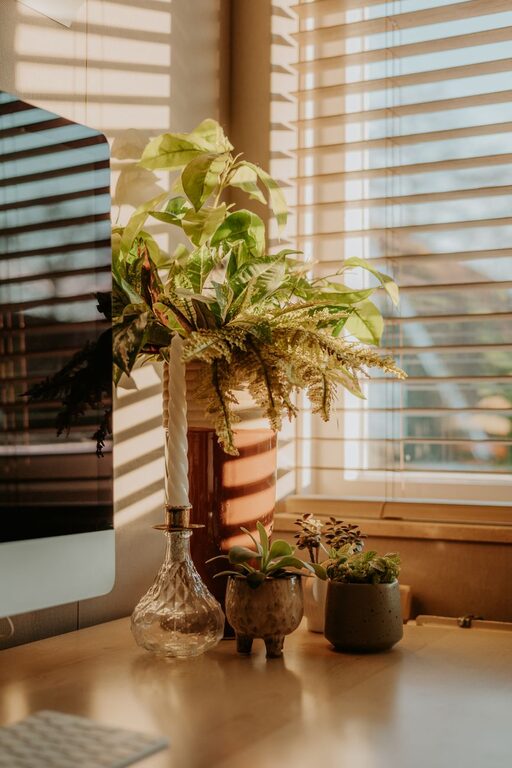
Creating a cozy and functional home office space is essential for anyone who works from home or needs a designated area to focus on personal projects. A well-designed workspace not only boosts productivity but also enhances comfort, making your workday more enjoyable. Whether you have a dedicated room or a small corner, these tips will help you create a home office that suits your needs.
Choose the Right Location
Your home’s layout plays a big role in how effective your office space will be. Look for a quiet spot that is free from distractions and has enough room to accommodate your work essentials.
– Natural Light: If possible, position your desk near a window. Natural light helps reduce eye strain and creates an inviting atmosphere.
– Privacy: Consider areas away from heavy foot traffic or household noise to maintain focus during work hours.
– Space: Ensure there’s enough room for your desk, chair, and any other necessary equipment without feeling cramped.
Invest in Comfortable and Ergonomic Furniture
Comfort is key to staying productive and avoiding physical discomfort.
– Ergonomic Chair: Choose a chair that supports your back and encourages good posture.
– Adjustable Desk: If possible, opt for a height-adjustable desk or a sit-stand converter to change positions throughout the day.
– Desk Size: Select a desk with enough surface area to hold your computer, documents, and other work materials neatly.
Organize Your Space Efficiently
An organized workspace promotes focus and saves time.
– Storage Solutions: Use shelves, drawers, and filing cabinets to keep documents and supplies tidy.
– Desk Organizers: Small containers or trays can help corral pens, sticky notes, and other essentials.
– Cable Management: Use clips or cable sleeves to keep cords untangled and out of sight, reducing clutter.
Personalize Your Space to Make it Inviting
Adding personal touches can make your work environment more pleasant and inspiring.
– Decor: Incorporate artwork, photos, or plants to add color and life to your office.
– Soft Textiles: Consider a cozy rug, cushions, or curtains to soften the space.
– Lighting: Besides natural light, use warm desk lamps or floor lamps to create a comfortable ambiance.
Optimize Lighting
Good lighting is crucial for reducing eye strain and maintaining energy.
– Layered Lighting: Combine overhead lights with task lighting to provide balanced illumination.
– Adjustable Lamps: Having a lamp you can direct ensures you have focused light for reading or detailed work.
– Avoid Glare: Position screens and light sources to minimize glare, which can cause discomfort.
Minimize Distractions
A focused environment helps you complete tasks efficiently.
– Limit Noise: Use noise-canceling headphones or play instrumental music if background sounds are unavoidable.
– Declutter Regularly: Keep your workspace clear of unrelated items to maintain mental clarity.
– Set Boundaries: If you share your home, communicate your work hours to family or housemates.
Create Zones for Different Activities
If space allows, dividing your office into zones can improve workflow.
– Work Zone: Where your computer and primary work takes place.
– Reading/Planning Zone: A comfortable chair or small table for reviewing documents or brainstorming.
– Storage Zone: Shelving and cabinets to keep materials organized and out of the way.
Use Technology to Enhance Productivity
Incorporate tools that support your workflow.
– Reliable Internet: Ensure strong and stable internet to avoid interruptions.
– Accessories: Use a quality keyboard, mouse, and monitors to ease workload.
– Apps: Utilize productivity and organization apps to manage tasks and schedules efficiently.
Maintain Your Space
Keeping your workspace clean and well-maintained is essential.
– Daily Tidying: Spend a few minutes at the end of each day putting things in place.
– Seasonal Refresh: Update or rearrange your office periodically to keep it feeling fresh and motivating.
– Ergonomic Checks: Regularly assess your chair and desk setup to ensure they continue to support your comfort.
—
Creating a cozy and functional home office doesn’t require a large budget or space. By focusing on comfort, organization, and personalization, you can build an environment that supports your productivity while making work feel more enjoyable. Remember, the best office is one tailored to your unique needs and preferences. Happy decorating!
About the Author